
- All
- Product Name
- Product Keyword
- Product Model
- Product Summary
- Product Description
- Multi Field Search
Have you ever wondered how robotic arms can reach places humans can’t? In the world of robotics, extendable robotic arms are making that possible by offering unmatched precision and flexibility.
In this article, we’ll dive into how to design an extendable robotic arm. You’ll discover the key components, materials, and design considerations needed to create a robotic arm that can stretch beyond conventional limits.
A robotic arm is a mechanical system designed to perform a range of tasks, from material handling and packaging to intricate tasks like assembly, welding, and even surgery. The fundamental structure of a robotic arm consists of several key components, including joints, actuators, sensors, and a control system that coordinates the movement of each part.
Typically, robotic arms come in different configurations, such as articulated arms, Cartesian arms, and SCARA (Selective Compliance Assembly Robot Arm) arms. Each design is suited to specific tasks, and the choice of configuration depends largely on the needs of the task at hand. The extendable robotic arm differs from traditional robotic arms due to its ability to stretch its reach, providing greater flexibility and capability for tasks that involve objects or areas that are farther away.
Feature | Description |
Joints | Connect the segments of the arm, allowing rotational or linear movement. |
Actuators | Drive the movement of the arm by converting energy into mechanical motion. |
Sensors | Provide feedback on the arm’s position, force, and speed to enhance accuracy. |
Control System | Manages the arm’s movements through programming and feedback loops. |
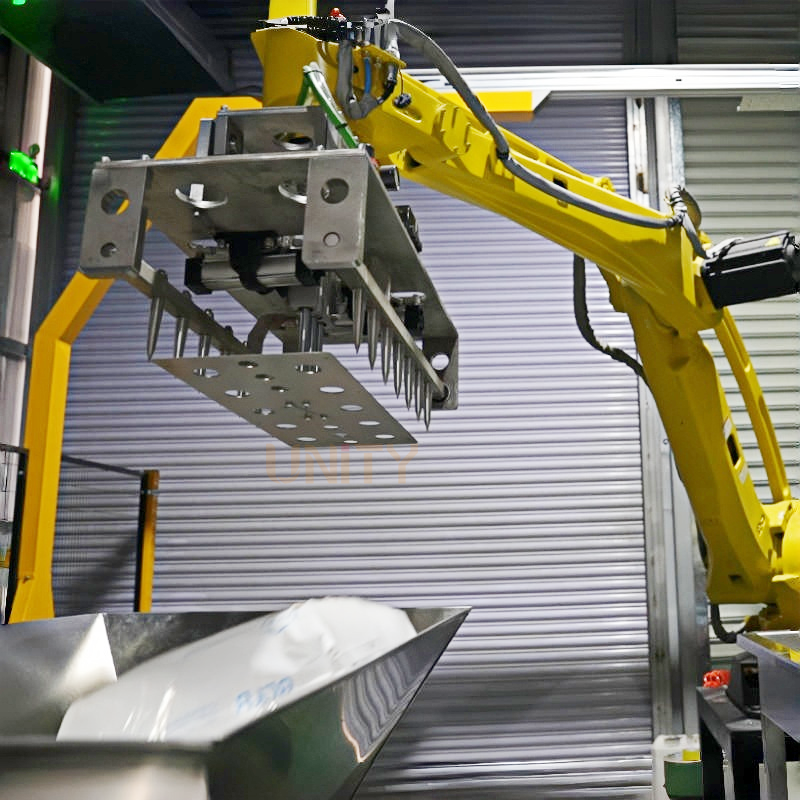
Extendability in robotic arms brings several benefits that significantly enhance their functionality across various industries:
● Increased Reach: Extendable robotic arms can access areas that are typically out of reach for fixed robotic arms, making them ideal for tasks in larger workspaces or confined areas.
● Cost Efficiency: Instead of having multiple robotic arms for different tasks, an extendable robotic arm can take on various roles by adjusting its length.
● Versatility: Extendable arms can handle different types of tasks that require varying degrees of reach or reach into confined spaces, making them versatile for manufacturing, medical procedures, and more.
In industries like automation, medical robotics, and space exploration, the ability to extend a robotic arm is crucial for achieving precision and functionality.
The structure of an extendable robotic arm is crucial to its performance. Since the arm needs to be lightweight yet sturdy, materials must be chosen carefully. The framework must support the arm’s extendable components and ensure they perform under load. Some of the common materials used in constructing robotic arms include:
● Lightweight Alloys: These alloys, such as aluminum, are often used for the arm’s skeleton. Aluminum is strong and light, which allows the arm to extend without significant weight being added.
● Carbon Fiber: Known for its high strength-to-weight ratio, carbon fiber is commonly used in the construction of robotic arms that require extra precision and strength without adding unnecessary weight.
● Polymers: These are used in joints and flexible parts that allow the arm to bend or extend smoothly.
Material | Strength | Weight | Flexibility | Common Use Cases |
Aluminum | High | Low | Moderate | Arm structure |
Carbon Fiber | Very High | Very Low | Low | High-precision arms |
Polymers | Moderate | Low | High | Joints, flexible parts |
Extendable robotic arms typically use a few key mechanisms to achieve movement:
● Telescoping Sections: This mechanism uses sliding sections that extend and retract with minimal friction. These are particularly useful for reaching extended distances in confined spaces.
● Articulated Joints: These joints function much like the elbow or shoulder joints of a human arm, allowing for angular motion that aids in extending or retracting the arm.
● Hydraulic vs. Electric Actuators: Hydraulic actuators are used when heavy lifting or force is needed, while electric actuators provide precise control for lighter tasks.
The design of the extension mechanism plays a key role in ensuring the arm can extend reliably without compromising its stability and precision.
Before diving into the mechanical and electrical design, it’s essential to determine the specific tasks the arm will perform. Will the arm be used for material handling, assembly, or delicate operations such as surgery? Each of these tasks demands a unique design approach, from the choice of actuators to the complexity of the control systems.
Choosing the right materials for different parts of the arm, including the extension mechanism and actuators, is a crucial step in the design process. Engineers must carefully evaluate the weight, strength, and flexibility required for each application. For instance, an arm used in a heavy-duty industrial setting will require strong, durable materials like steel or high-strength aluminum. On the other hand, robotic arms in medical settings may prioritize lightweight materials like carbon fiber to reduce strain during complex surgeries.
The extendable mechanism should be designed with multiple telescoping segments that work in unison. The arm must extend smoothly, with no risk of misalignment or loss of power. Hydraulics or electric systems can power these movements, depending on the required force. The key is to create a system that’s both precise and reliable, ensuring that the robotic arm can handle extended periods of operation without failure.
A critical element of designing a robotic arm is the programming and control software used to direct the arm’s movements. Popular programming languages for robotic arms include:
● Python: Often used for its simplicity and compatibility with machine learning algorithms.
● C++: Offers faster execution and is preferred for real-time control and systems with higher demands for precision.
These programming languages help ensure the arm performs tasks accurately, particularly when extending or retracting to interact with objects at varying distances.
When it comes to controlling the robotic arm, there are two main approaches:
● Manual Control: In manual systems, human operators use a remote interface to control the arm’s movements. This is often preferred in dynamic environments where human judgment is needed.
● Autonomous Systems: These systems rely on pre-programmed instructions and can adjust in real-time based on environmental feedback. Autonomous robotic arms are often equipped with AI algorithms to improve their adaptability over time.
As the robotic arm extends, maintaining stability becomes more difficult. An arm that’s too long might lose balance and fail to perform delicate operations. Engineers must carefully design the arm’s joints and internal mechanisms to counteract these issues. Reinforced joints, counterweights, and balanced actuation systems are some ways to maintain structural integrity during extension.
Ensuring precise movement while the arm is extended is another challenge. The center of gravity shifts as the arm extends, which can cause imprecision if not accounted for. To address this, sophisticated control algorithms and real-time feedback systems are essential. Sensors integrated into the arm's joints can send constant feedback to the control system to make adjustments for optimal precision.
Since extendable robotic arms often require more energy than their fixed counterparts, ensuring efficient power usage is critical. Hydraulic systems, for example, can consume a significant amount of energy. Engineers must find a balance between power output and energy efficiency to optimize the arm’s functionality.
The latest robotic arms are equipped with advanced sensors that help improve their precision and efficiency. Proximity sensors, for instance, help the arm avoid obstacles during its extension, while force sensors ensure the arm doesn’t apply excessive pressure on delicate objects. Feedback loops continuously adjust the arm’s movements, allowing it to adapt in real-time to varying conditions.
The integration of AI and machine learning algorithms is becoming increasingly common in robotic arms. These technologies allow the arm to "learn" from past actions, improving its precision and adaptability. Over time, this enables the arm to handle more complex tasks, such as dynamic assembly or precision surgery, with greater efficiency.
Prototyping is a crucial step in the design process. CAD software and 3D printing are commonly used to create detailed models of the robotic arm. These prototypes are tested for movement accuracy, strength, and flexibility. Once a prototype is built, it undergoes rigorous testing to identify potential design flaws.
After initial testing, the robotic arm is put through real-world conditions to assess its performance. Engineers use feedback from these tests to refine the design, ensuring that the arm meets the required standards of functionality, precision, and durability. Iterative testing and modification are necessary to ensure the arm performs reliably over time.
The future of robotic arms lies in the integration of new technologies such as soft robotics and advanced materials. Soft robotics, for instance, uses flexible, lightweight materials to allow for more adaptable and versatile arms. Additionally, the integration of Internet of Things (IoT) capabilities and real-time data analytics will enhance the functionality of robotic arms in industries such as manufacturing, logistics, and healthcare.
In the next decade, robotic arms will continue to evolve, expanding into new areas like space exploration and construction. For example, robotic arms could play a crucial role in assembling structures on the Moon or Mars. In healthcare, they could assist in surgeries or remote diagnostics, improving both the quality and accessibility of care.
Designing an extendable robotic arm is a complex process that requires careful planning, material selection, and testing. With advancements in materials, control systems, and AI, the potential applications for extendable robotic arms continue to grow. Whether used in automation, medical procedures, or space exploration, these robotic arms offer incredible flexibility and precision that can transform industries worldwide.
UNITY provides a wide range of robotic arms, including extendable models, that are engineered for various industrial applications. Their robotic arms optimize production processes, reduce human error, and enhance workplace safety. Whether you need a basic robotic arm or a custom-built solution, UNITY offers robotic arms that can help revolutionize your operations.
To design a successful extendable robotic arm, focus on selecting the right materials, control systems, and actuation mechanisms based on the arm’s purpose and required tasks.
A: An extendable robotic arm is a type of robotic arm designed to reach greater distances than a fixed arm, offering enhanced flexibility for tasks such as material handling, assembly, or delicate operations.
A: An extendable robotic arm uses telescoping or articulated joints powered by hydraulic or electric actuators, allowing it to extend and retract with precision for tasks that require extra reach.
A: Extendable robotic arms increase productivity by reaching multiple workstations without moving the entire system, reducing downtime and improving overall efficiency in manufacturing processes.
A: The primary advantages of an extendable robotic arm include increased flexibility, the ability to handle tasks in confined spaces, and cost savings by reducing the need for multiple robots for different tasks.
A: Some challenges include ensuring stability during extension, maintaining precision, managing power consumption, and selecting the right materials to balance strength and weight.