
- All
- Product Name
- Product Keyword
- Product Model
- Product Summary
- Product Description
- Multi Field Search
Have you ever wondered how robotic arms perform complex tasks with precision? These machines are becoming increasingly common in industries worldwide. But what makes robotic arms so efficient and accurate?
In this article, we’ll explore the mechanics behind robotic arms, their components, and how they’re changing industries. You’ll learn how they work and the incredible applications they serve.
Robotic arms are sophisticated automated mechanical devices designed to perform tasks with high precision and repeatability, performing a wide variety of functions across industries ranging from manufacturing and healthcare to space exploration. These arms are programmed to handle repetitive, complex, or dangerous tasks that would be difficult, if not impossible, for humans to perform manually. In an industrial setting, robotic arms can be used to manipulate objects, assemble parts, or perform specialized tasks like welding or painting, whereas in medical environments, they assist surgeons in performing highly precise operations that would otherwise be challenging.
In today's rapidly evolving technological landscape, robotic arms play an increasingly critical role in improving production efficiency, accuracy, and safety. These machines enable automation of various tasks, which significantly reduces human error, boosts operational productivity, and enhances worker safety. The need for robotic arms is especially prevalent in industries where precision is crucial, such as in high-volume manufacturing or in medical procedures, where small variations can have large impacts. Their versatility and the ability to operate around the clock without fatigue make them indispensable in modern operations. As industries seek more efficient solutions to address high demands, robotic arms offer a transformative impact on labor-intensive processes.
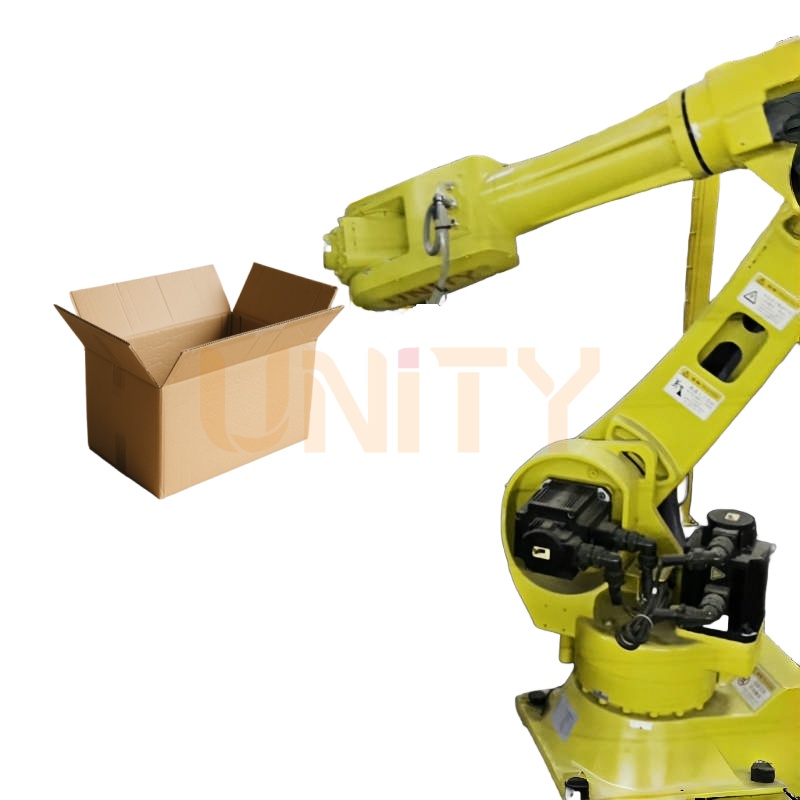
At their core, robotic arms operate through a combination of mechanical components, electrical systems, and software that together simulate the motion and dexterity of a human arm. The arms are powered by motors and actuators, which provide the necessary motion, while sensors and feedback loops ensure that the arm performs tasks with high accuracy. The robotic arm mimics human joints, with each joint being powered by an actuator that can rotate or pivot based on instructions provided by the control system. By interpreting sensory inputs, the system enables the arm to adjust its movements accordingly, ensuring that tasks are executed with precision.
● End Effector The end effector of a robotic arm is analogous to a human hand, and it serves as the tool or mechanism that performs the desired task. Whether it is a gripper for picking up objects, a welding torch for joining materials, or a specialized tool for assembly, the end effector is tailored to the job. The diversity of end effectors used in robotic arms reflects the wide range of tasks these machines are capable of performing.
● Sensors Robotic arms rely heavily on sensors to provide real-time feedback, which is critical for performing tasks that require high precision. Vision systems allow the arm to "see" its environment, identify objects, and make adjustments in real time. Force sensors enable the arm to detect the amount of pressure it is applying on an object, preventing damage to fragile materials or products. Additionally, touch sensors provide tactile feedback, helping the arm to "feel" and adapt its movements based on physical interactions with its environment.
The architecture of a robotic arm closely mirrors that of the human arm, consisting of several joints and links that provide a wide range of motion. Joints in robotic arms function similarly to human elbows, wrists, and shoulders, allowing the arm to rotate or pivot. These joints are connected by links, which are the segments between the joints. The combination of joints and links gives robotic arms multiple degrees of freedom, enabling them to perform tasks in confined spaces or handle objects with varying dimensions. The precise design of these components allows robotic arms to perform repetitive tasks without loss of accuracy.
Actuators in robotic arms are responsible for converting energy into motion. They can be electric, hydraulic, or pneumatic, each providing different levels of torque and power for various applications. Electric actuators are the most common, particularly for small-to-medium-sized robotic arms, while hydraulic actuators are used for larger robots that need to lift or manipulate heavy objects. Pneumatic actuators, on the other hand, use compressed air to produce motion and are often employed in lighter applications. The motors that power these actuators work by converting electrical signals into mechanical motion, allowing the robotic arm to move with precision.
The control systems of robotic arms dictate the movement and tasks the arm is programmed to perform. These systems can be either manually controlled, where operators guide the arm through specific movements, or automated, where the robot follows pre-programmed instructions. More advanced systems involve machine learning and artificial intelligence (AI), allowing the robotic arm to adapt to new environments and perform complex tasks autonomously. Automated control systems are commonly used in high-volume production environments, while manual systems are often employed for specialized or custom tasks.
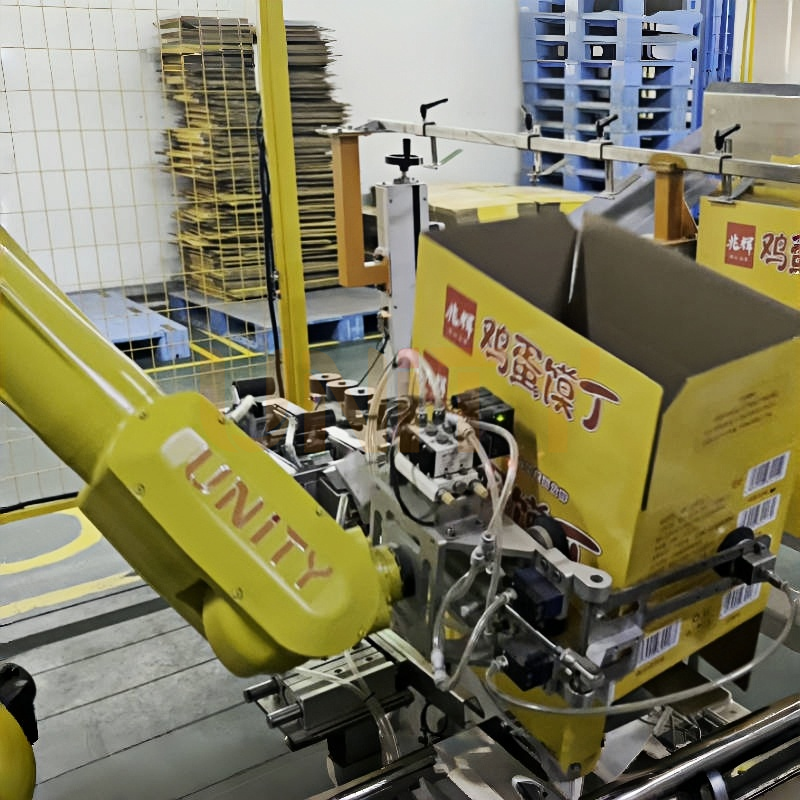
Industrial robotic arms are primarily used in manufacturing and assembly environments, where they perform repetitive tasks with speed, accuracy, and consistency. These arms are capable of performing a variety of functions, such as material handling, assembly, packaging, and welding. By automating these tasks, companies can reduce human error, improve safety, and increase production output. Additionally, industrial robots often work in hazardous environments, performing tasks that would be too dangerous for humans, such as handling toxic substances or working in high-temperature conditions.
UNITY, a leading manufacturer and supplier of robotic arms based in China, specializes in producing industrial robotic arms designed to meet the diverse needs of industries worldwide. The company’s robotic arms are built using high-quality materials and feature advanced control systems that ensure high accuracy, durability, and flexibility. These arms are capable of performing a wide range of tasks, from basic material handling to custom-built solutions for specialized applications. UNITY robotic arms are engineered to optimize production processes, reduce human error, and increase workplace safety. Whether you need a standard robotic arm or a custom-built solution tailored to your needs, UNITY has the expertise and technology to deliver. For more information or to request a quote, please feel free to contact us.
In the healthcare sector, robotic arms are transforming the way surgeries are performed, providing surgeons with enhanced precision and control. Robotic-assisted surgery systems, like the da Vinci Surgical System, enable minimally invasive procedures, which result in smaller incisions, quicker recovery times, and reduced risk of complications. These robotic systems allow surgeons to operate with greater precision, using small-scale tools that offer fine control over movements. This capability is particularly valuable in fields such as neurosurgery, orthopedics, and urology, where precision is crucial.
Service and research robotic arms serve a wide range of industries, from laboratory environments to hazardous settings like nuclear plants. These arms perform tasks that require extreme precision, such as assembling delicate components in electronics manufacturing or conducting experiments in hazardous locations. Research applications also include space exploration, where robotic arms are used in environments such as the International Space Station (ISS), handling experiments and maintaining equipment in space.
There are two primary methods for programming robotic arms: manual and automated. In manual programming, operators physically guide the robotic arm through a series of tasks, allowing the arm to "learn" how to perform a given job. The arm then repeats the task as instructed, ensuring that the process is consistent. Automated programming, on the other hand, involves creating a series of commands through a programming language or interface, which the robotic arm follows independently. Automated programming is ideal for large-scale manufacturing where repetitive tasks need to be performed with high accuracy.
Path planning involves determining the most efficient route for the robotic arm to complete a task. By considering obstacles, environmental factors, and the geometry of the workspace, the robotic arm’s path is optimized to ensure precision and reduce unnecessary movements. Advanced path planning algorithms take into account factors like the speed of the arm, the required torque, and the task at hand, ensuring that movements are executed in the shortest time possible without compromising quality.
Artificial intelligence is playing an increasingly significant role in the evolution of robotic arms. AI enables robotic arms to adapt to unpredictable environments, learn from past experiences, and improve performance. This capability allows robotic arms to handle more complex tasks autonomously, reducing the need for human intervention. With machine learning algorithms, robotic arms can identify patterns, adjust their behavior based on real-time data, and enhance their functionality in various applications, from manufacturing to healthcare.
Robotic arms have become a cornerstone of modern manufacturing, especially in industries such as automotive production, electronics assembly, and packaging. They allow manufacturers to achieve higher output, greater consistency, and less waste while also lowering operational costs. By automating repetitive tasks, robotic arms free up human workers to focus on more complex tasks that require critical thinking and creativity. Their use in assembly lines, for example, has enabled faster production rates and enhanced quality control.
In addition to their surgical capabilities, robotic arms are being used in rehabilitation and prosthetics. Robotic rehabilitation devices help patients recover more effectively after injuries or surgeries by providing precise and controlled movements. Robotic prosthetics, on the other hand, offer greater mobility and dexterity to individuals who have lost limbs, improving their quality of life. These advancements in medical robotics are revolutionizing the healthcare sector and enabling better patient outcomes.
Space exploration would be nearly impossible without robotic arms. In environments like the International Space Station (ISS), robotic arms perform critical tasks such as handling experiments, moving equipment, and assisting astronauts during spacewalks. Robotic arms have the ability to work in the vacuum of space, where human presence is limited, and they can be used to deploy satellites or perform maintenance on spacecraft, ensuring that space missions continue to run smoothly.
● Increased Productivity
● Robotic arms can operate continuously, providing higher production rates and efficiency.Precision and Accuracy
● These machines execute tasks with high precision, improving product quality and minimizing errors.Safety
● High Initial Cost
● The upfront cost of purchasing and setting up robotic arms can be high, although the long-term benefits often outweigh these costs.Programming Complexity
● Programming robotic arms for complex tasks requires technical expertise and time.Maintenance
Regular maintenance is crucial for ensuring that robotic arms operate optimally, and failure to do so can lead to costly repairs.
The future of robotic arms is deeply tied to advancements in AI and machine learning. With these technologies, robotic arms will become more intelligent, adaptive, and capable of performing increasingly complex tasks. The integration of advanced sensors and real-time data analytics will allow robotic arms to work more autonomously and efficiently in dynamic environments.
As technology continues to evolve, the scope of robotic arm applications will expand into new industries and areas. For instance, the healthcare sector may see more personalized and precise robotic solutions, while manufacturing could witness even greater flexibility and efficiency. The logistics industry is also poised to benefit from robotic arms that handle sorting and packaging tasks with higher speed and accuracy.
Robotic arms are revolutionizing industries by offering increased productivity, precision, and safety. From their mechanical design and programming to their diverse applications in manufacturing, healthcare, and space exploration, robotic arms continue to transform how tasks are performed across various sectors. Understanding how these systems work allows us to appreciate their role in modern technology and the future potential they hold.As technology progresses, robotic arms will become even more autonomous, intelligent, and adaptable, allowing them to take on a broader range of tasks. Industries such as manufacturing, healthcare, and logistics will continue to evolve with the growing capabilities of robotic arms, making them an indispensable part of the modern workforce.
At UNITY, we are committed to providing cutting-edge robotic arm solutions designed to optimize your production processes and enhance operational efficiency. Whether you're looking for a basic robotic arm or a custom-built solution tailored to your needs, UNITY has the expertise to deliver top-quality robotic arms that help improve your business. To learn more about how our robotic arms can transform your operations, contact us today for a quote or more details.
A: Robotic arms are automated mechanical devices designed to perform tasks with precision and repeatability. They are used in various industries like manufacturing, healthcare, and space exploration, performing tasks that require accuracy and efficiency.
A: Robotic arms use motors, sensors, and actuators to mimic human arm movements. These components allow the arm to perform a wide variety of tasks, from assembly to complex surgeries, with high precision and speed.
A: The main components of robotic arms include actuators (for movement), sensors (for feedback), end effectors (for task execution), and control systems (for programming and operation). These elements work together to ensure the arm performs tasks accurately.
A: Robotic arms are crucial in manufacturing for their ability to perform repetitive tasks quickly and accurately, improving efficiency, reducing human error, and enhancing safety in dangerous environments.
A: Robotic arms in healthcare offer enhanced precision for surgeries, allowing for minimally invasive procedures, quicker recovery times, and reduced risk of human error. They also enable doctors to perform complex tasks with greater control.